Source feather decoration dog ear muffs for outdoor, indoor, and travel
Find 30 listings for feather decoration dog ear muffs designed for dogs and cats. Compare models with noise reduction, adjustable fit, and lightweight materials from verified manufacturers in China.
Key considerations
Products List


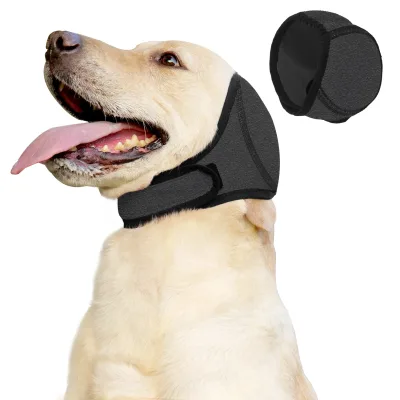




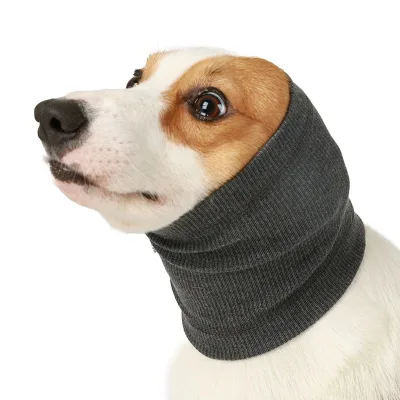
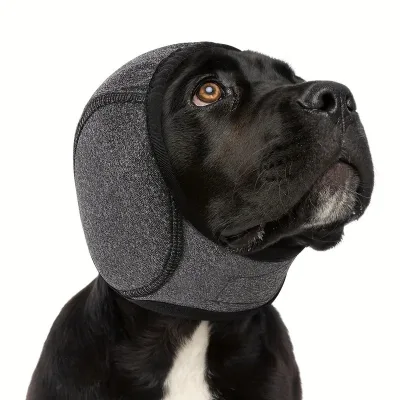
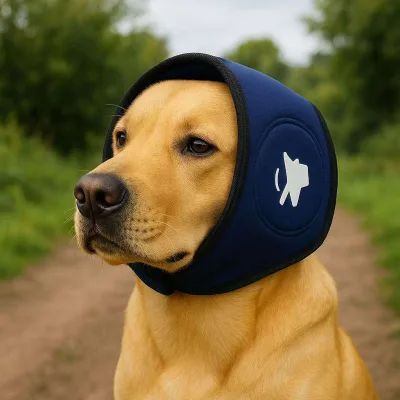



Comprehensive Sourcing Guide
Strategic Sourcing Guide for Feather Decoration Dog Ear Muffs
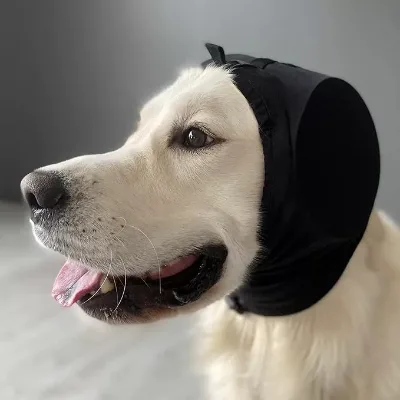
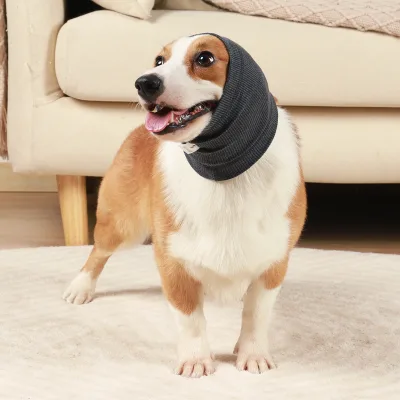
The procurement of specialized pet accessories, specifically dog ear muffs with decorative elements, requires a nuanced understanding of material science, safety compliance, and supply chain logistics. While the core keyword often highlights "feather decoration," the actual market inventory for functional noise-reducing ear muffs frequently utilizes materials like silicone, ABS, and nylon, where decorative accents may be integrated or substituted based on manufacturer capabilities. Buyers must navigate a landscape where aesthetic customization, such as specific color palettes or branding, competes with critical performance metrics like noise reduction ratings and comfort. This guide provides a structured approach to evaluating suppliers and products that align with the technical and operational requirements of B2B procurement in the pet care sector.
Technical Specifications and Material Composition
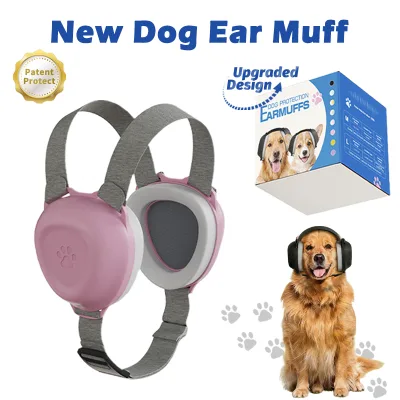
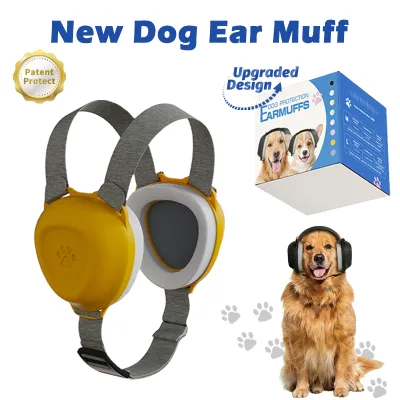
When sourcing dog ear muffs, the primary technical differentiator lies in the material composition and the resulting acoustic performance. The available product data indicates a range of materials, including silicone, ABS, and nylon. Silicone and ABS are often utilized in rigid or semi-rigid structures to provide a durable frame that maintains the shape of the ear muffs while offering a barrier against external noise. For instance, specific models in the market demonstrate a Noise Reduction Rating (SNR) of 29 dB, a figure that buyers should verify against their specific noise environment requirements.
The physical attributes of the product are equally critical for operational success. Dimensions vary significantly across models, with some listed as having a single package size of 30x30x20 cm, while others are more compact at 10x8x6 cm. Weight is a key factor for pet comfort; products weighing around 200g or 0.5 kg (gross) may be suitable for larger breeds, whereas lighter options around 0.09 kg are preferable for smaller dogs or extended wear. The shape is typically rounded to ensure a snug fit without causing pressure points.
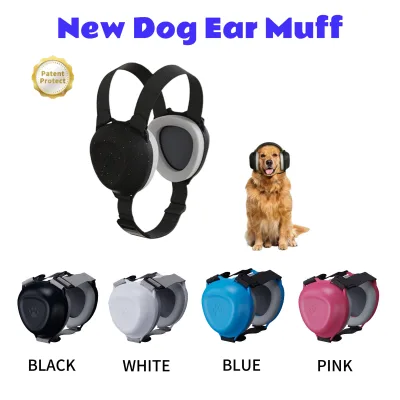
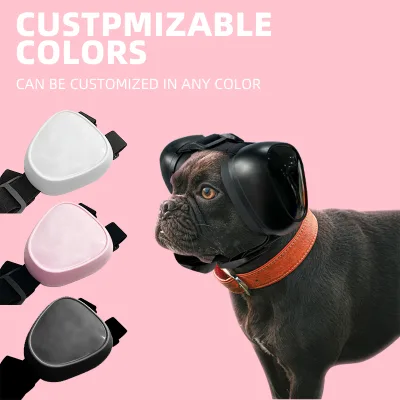
Regarding the "feather decoration" aspect of the search query, it is essential to distinguish between the core functional material and the aesthetic finish. While the primary structural materials are often synthetic, the market offers a wide array of color options including pink, blue, purple, black, yellow, and lavender. Some products feature solid patterns, while others may allow for OEM customization to include specific decorative elements. Buyers should note that while some listings mention "feather" in the context of decoration, the core functional units often rely on soft, comfortable, and adjustable nylon or silicone components to ensure the safety and comfort of the animal. The presence of a "Foldable" and "Reusable" feature suggests that the design prioritizes portability and longevity, which are standard expectations for professional-grade pet gear.
Compliance, Safety, and Certification Verification
In the B2B procurement of pet products, safety compliance is non-negotiable. Unlike human protective equipment, pet gear often operates in a regulatory gray area depending on the destination market. However, buyers must rigorously verify that materials are non-toxic and free from harmful chemicals, especially since dogs may chew or lick their accessories. The product data lists materials such as silicone, ABS, and nylon, which are generally considered safe, but the specific formulation and any added dyes or adhesives used for decoration must be confirmed.
Buyers should request documentation regarding chemical safety, such as REACH compliance for European markets or CPSIA adherence for the United States, even if the provided product listings do not explicitly state these certifications. The "Eco-Friendly" feature mentioned in some product attributes suggests a potential alignment with sustainable sourcing, but this claim requires third-party verification. Furthermore, the "Noise Cancelling" and "Comfortable" features are functional claims that should be backed by test results or internal quality control data provided by the manufacturer.
It is crucial to understand that while some listings mention "OEM & ODM" capabilities, this refers to the manufacturer's ability to customize the product rather than a guarantee of certification status. Buyers must ensure that any customizations, such as adding feathers or specific logos, do not compromise the structural integrity or safety of the ear muffs. The "Adjustable" nature of the product is a vital safety feature, allowing the accessory to fit various head sizes without slipping or causing injury. Procurement teams should prioritize suppliers who can provide a Certificate of Analysis (CoA) or a Declaration of Conformity (DoC) for the specific batch of goods being ordered.
Cost Drivers and Pricing Dynamics
The pricing of dog ear muffs is influenced by a complex interplay of factors, including material costs, manufacturing complexity, and order volume. The observed price range in the market spans from $0.58 to $18.50 USD, a significant variance that reflects differences in quality, features, and brand positioning. Lower-priced items often utilize basic nylon or simpler silicone molds, while higher-priced units may incorporate advanced noise-canceling technology, premium finishes, or complex decorative elements.
Minimum Order Quantity (MOQ) is a primary cost driver. The market data shows an MOQ range from 1 to 1000 pieces, with specific models requiring 500 or 100 pieces. Higher MOQs typically result in a lower unit cost due to economies of scale in production and shipping. Buyers must balance their inventory needs against their cash flow constraints. For instance, a supplier with an MOQ of 500 pieces might offer a more competitive unit price than one allowing orders of 100, but the total capital outlay will be higher.
Additional cost factors include packaging and customization. Products listed with "Color Box" packaging may incur higher costs than those in "Opp Bag" packaging, which is common for lower-cost items. Customization, such as adding a specific logo or unique color, often involves setup fees or higher unit costs, even if the supplier welcomes OEM/ODM requests. The "Single gross weight" and "Single package size" also impact shipping costs, particularly for air freight. A product weighing 0.5 kg with a package size of 30x30x20 cm will have significantly higher logistics costs compared to a 0.09 kg item in a 10x8x6 cm package. Buyers should calculate the total landed cost, including duties and freight, rather than focusing solely on the unit price.
Typical Applications and Market Segmentation
Dog ear muffs serve multiple functions beyond simple decoration, addressing specific needs in various environments. The primary application is noise reduction, making these products essential for dogs with anxiety related to loud noises such as thunderstorms, fireworks, or construction. The "Outdoor, Indoor" applicability indicates versatility, allowing the product to be used in diverse settings. The "All Seasons" and specific seasonal mentions like "Summer" or "Winter" suggest that these muffs are designed for year-round use, though material breathability should be verified for hot climates.
The market also segments these products by the type of pet. While the primary target is dogs, some listings indicate applicability to cats as well, though the fit and comfort must be validated for feline anatomy. The "Gift" usage category highlights the product's role in the retail sector, where aesthetic appeal and packaging are as important as functionality. The "Holiday" attributes, such as Christmas and Birthday, suggest that these items are often purchased as seasonal gifts, requiring timely delivery and festive packaging options.
Furthermore, the "Comfortable" and "Soft" attributes point to a growing market segment focused on pet well-being and stress relief. Owners are increasingly willing to pay a premium for products that enhance their pet's quality of life. The "Foldable" and "Lightweight" features cater to travelers and active owners who need portable solutions. Understanding these application scenarios helps buyers align their procurement strategy with specific customer demographics, whether they are targeting veterinary clinics, pet retailers, or direct-to-consumer e-commerce platforms.
Supplier Evaluation and Quality Control Protocols
Selecting the right supplier is critical for maintaining product consistency and meeting delivery schedules. The supply chain for pet accessories often originates from manufacturing hubs in China, specifically Zhejiang and Guangdong provinces. Buyers should evaluate suppliers based on their production capacity, quality control processes, and ability to handle customization requests. The presence of "OEM & ODM" capabilities suggests that the supplier can adapt to specific design requirements, but this must be verified through sample reviews.
Quality control should be a multi-stage process. First, buyers must review pre-production samples to ensure that the materials, colors, and dimensions match the specifications. The "Model Number" and "Size" (ranging from XS to XL) must be clearly defined to avoid fulfillment errors. Second, during production, random inspections should be conducted to check for defects in the silicone, ABS, or nylon components, as well as the integrity of the decorative elements. Third, a final inspection before shipment is necessary to verify packaging, labeling, and overall presentation.
Buyers should also assess the supplier's responsiveness and communication channels. The "Delivery time" of 7-15 days is a standard expectation, but this can vary based on order volume and customization complexity. Suppliers who offer "Accept Customized Logo" services should have a clear process for artwork approval and proofing. Additionally, the "Payment" terms, such as T/T, should be negotiated to protect the buyer's interests. A reliable supplier will provide transparent updates on production status and be proactive in addressing any potential delays or quality issues.
Long-Term Procurement and Strategic Considerations
For long-term success, buyers must look beyond the immediate transaction and consider the sustainability and scalability of the supply chain. The "Reusable" and "Eco-Friendly" attributes of some products indicate a trend toward sustainable pet care, which can be a strong selling point in the market. Buyers should inquire about the recyclability of materials and the environmental impact of the manufacturing process.
Scalability is another key consideration. As demand grows, the supplier must be able to increase production without compromising quality. The "MOQ" flexibility is a positive indicator, but buyers should discuss volume discounts and capacity planning for larger orders. The "Style" and "Feature" trends, such as "Cuté" and "Fashion," evolve rapidly, so maintaining a close relationship with the supplier can help buyers stay ahead of market trends.
Finally, buyers should establish a clear framework for product returns and warranty claims. Even with rigorous quality control, defects can occur. A supplier with a robust after-sales support system will minimize the risk of customer dissatisfaction and protect the buyer's brand reputation. By focusing on these strategic elements, buyers can build a resilient supply chain that delivers high-quality, functional, and aesthetically pleasing dog ear muffs to their customers.
FAQs
What materials are used for feather decoration dog ear muffs?
These muffs typically use silicone, ABS, or nylon for durability and comfort. While some listings mention feather decorations, the core structure relies on these synthetic materials to ensure safety and noise reduction performance for pets.
How much noise reduction do these ear muffs provide?
Specific models offer a Noise Reduction Rating (SNR) of 29 dB to protect pets from loud sounds. This level of attenuation helps manage anxiety caused by thunderstorms or fireworks while maintaining a comfortable fit for the animal.
Can I customize the logo on these dog ear muffs?
Yes, most suppliers accept customized logos and offer OEM or ODM services for branding. Buyers can request specific designs, but they must verify that customizations do not compromise the structural integrity or safety of the ear muffs.
What is the minimum order quantity for these products?
The minimum order quantity varies by supplier, ranging from 100 to 500 pieces for standard models. Higher volume orders often secure better unit pricing, so buyers should balance inventory needs against their cash flow constraints.
Where are these dog ear muffs manufactured?
Production is primarily located in Zhejiang and Guangdong provinces in China. Buyers should verify the specific origin for each supplier to ensure compliance with regional shipping regulations and to estimate accurate delivery times.
How long does delivery take for these ear muffs?
Standard delivery times typically range from 7 to 15 days after order confirmation. This timeline can vary based on order volume, customization complexity, and the specific logistics capabilities of the selected manufacturer.